


3D Medical Animation Videos for Healthcare, Pharma, and Medical Devices
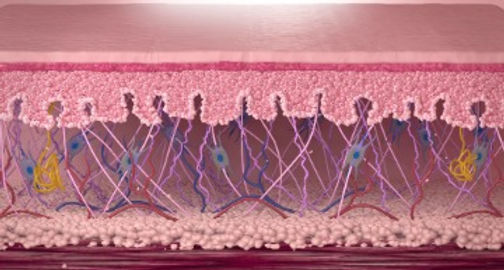
What We Do
-
3D Medical Animation Videos (surgical techniques, anatomy, disease progression)
-
2D Medical Explainer Videos (easy-to-understand patient education)
-
Medical Device Animation (how they work, product demos)
-
Healthcare Marketing Animation (for pharmaceutical companies, hospitals)
-
E-learning & Training Modules
-
Interactive Animation & Motion Graphics
Types of Medical Animation- Explore Animation Styles & Use Cases

Why Go With Pixozone?
What Makes Pixozone Great:
-
Healthcare leaders, drug companies, and medical device brands trust us.
-
Our visuals look great, are scientifically correct, and match your brand.
-
We're quick, honest with pricing, and offer project help.
-
Works with all your online stuff.

How We Make Medical Animations: Our 8 Steps
Pixozone makes 3D animations that are correct and cool for healthcare, drug, and medical device companies.
1. Get What the Client Wants
-
Figure out what you want: teaching, ads, training, or approval.
-
Change how detailed things are for doctors, patients, students, or investors.
-
Decide if you want big stuff (organs, surgery) or small stuff (cells, molecules).
2. Research
-
Talk to doctors and scientists.
-
Use info from studies, scans, and databases.
-
Make sure things are correct and up-to-date.
3. Write and Plan
-
Write a script that’s scientific but clear.
-
Plan scenes, visuals, and voiceovers.
-
Check with everyone before we start animating.
4. Make 3D Models
-
Make correct models of bodies, devices, and molecules (using files if needed).
-
Add real-looking textures for tissues and devices.
-
Make sure models are ready to animate and correct.

5. Animate
-
Animate how bodies work: blood flow, nerves, cells.
-
Copy how medical devices move and work with tissues.
-
Show molecules working: binding, bending.
-
Use good animation programs to make it real.
6. Light and Show Off
-
Use see-through views and lighting to show important stuff.
-
Make animations for websites, videos, and meetings.
-
Mix cool art with science to make it interesting.
7. Voice and Sound
-
Use voice actors who know medical terms.
-
Add music and sounds that help, but don't get in the way.
8. Check and Finish
-
Check with clients and experts to make sure it's right.
-
Give you files for websites, presentations, and social media.
-
Keep working until it's perfect.
Why Use 3D Medical Animation?
-
More Interesting: Make hard science easy for everyone.
-
Correct: Animations are based on real data and models.
-
Good Training: Help healthcare people learn better.
-
Great Marketing: Get noticed at shows and online.
How to Use It
Where Medical Animations Help:
-
Teach patients (hospitals, clinics).
-
Train doctors (ongoing learning).
-
Show drug info (to investors, at meetings).
-
Demo medical devices (new products, sales training).
-
Public health campaigns (awareness).
Prices- What Affects the Cost?
-
How hard the project is
-
How long the animation is
-
What format you need (HD, 4K, etc.)
-
The style (real or cartoon)
-
How fast you need it
-
How many changes you want
-